

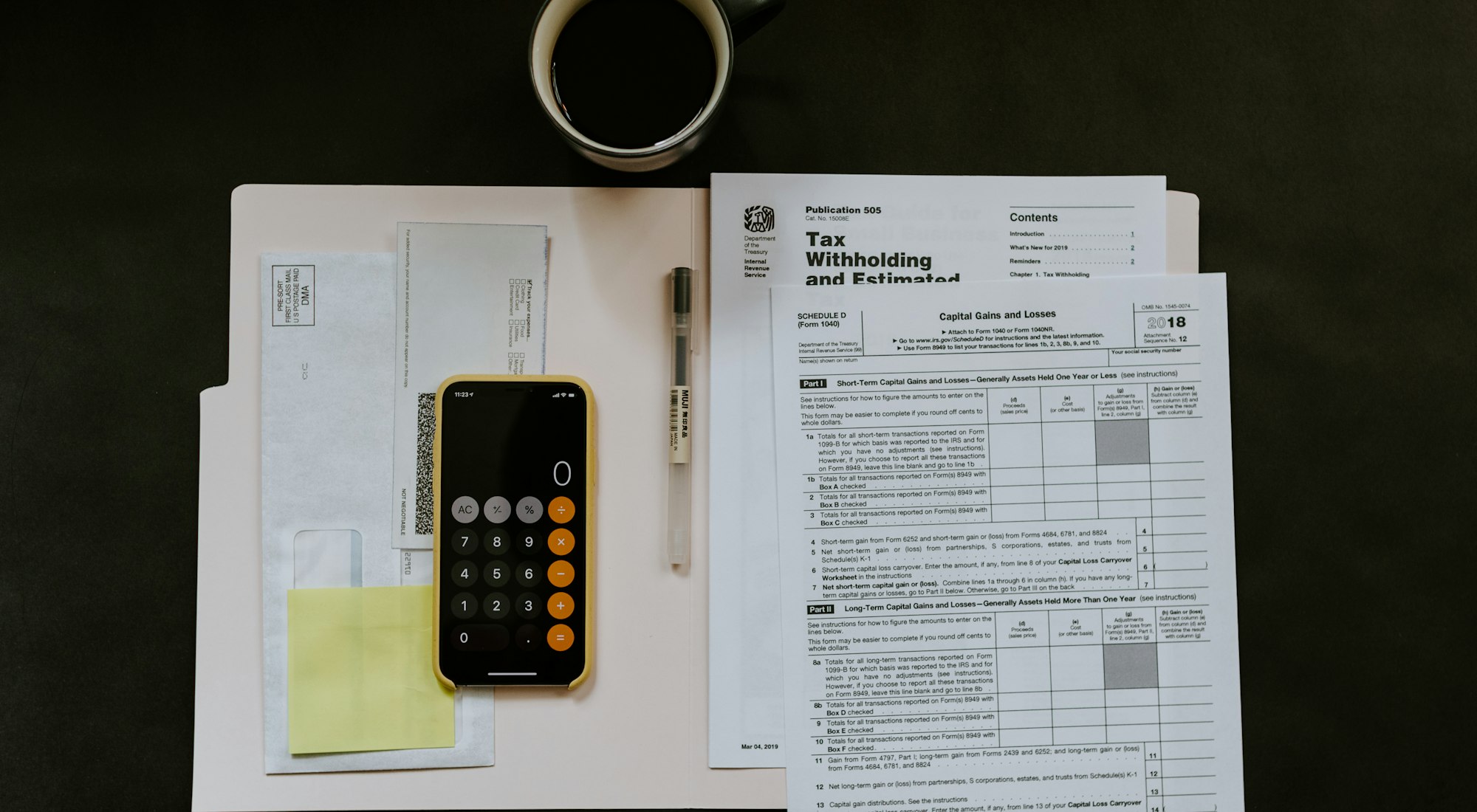
If you run a business or work for yourself, nobody withholds tax from your income. The IRS still expects to be paid as you earn — four times a year. Here’s who has to pay, when, and how to avoid penalties without overpaying.
Who needs to pay estimated taxes?
You generally need to make estimated payments if you expect to owe at least $1,000 in federal tax for the year after subtracting withholding and credits. Corporations make estimated payments if they expect to owe $500 or more.
In practice, that includes most sole proprietors, partners, S corporation owners who take distributions, freelancers, and anyone with significant investment or rental income.
The 2027 deadlines
Payments are due in four installments. The periods aren’t equal quarters, which catches many owners out.
| Payment | Covers income earned | Due date |
|---|---|---|
| First | January 1 – March 31 | April 15, 2027 |
| Second | April 1 – May 31 | June 15, 2027 |
| Third | June 1 – August 31 | September 15, 2027 |
| Fourth | September 1 – December 31 | January 18, 2028 |
January 15, 2028 falls on a Saturday and the following Monday is a federal holiday, so the fourth payment moves to Tuesday, January 18.
How much should you pay?
Start with what you expect to earn this year, subtract business expenses, and estimate both income tax and self-employment tax. Then divide by four — or, if your income is seasonal, pay more in the quarters when you earn more using the annualized income method.
Our rule of thumb: move 25–30% of every payment you receive into a separate tax savings account. It won’t be exact, but the money will be there when the deadline arrives.
The safe-harbor rule
You can avoid an underpayment penalty — even if you end up owing more in April — by paying at least the smaller of:
- 90% of the tax you owe for the current year, or
- 100% of the tax shown on last year’s return (110% if your adjusted gross income was over $150,000).
For owners whose income is growing, paying based on last year’s tax is often the simplest way to stay penalty-free while keeping cash in the business.
“The goal isn’t to pay as little as possible each quarter. It’s to never be surprised in April.”
Ellen Hartley, Partner, Tax
How to pay
Most owners pay online through IRS Direct Pay or the Electronic Federal Tax Payment System (EFTPS). Schedule payments in advance and keep the confirmation numbers with your records. Don’t forget your state: most states with an income tax run their own estimated payment schedule.
A quick quarterly checklist
- Update your year-to-date profit from your books.
- Compare it with your projection and adjust if income has changed.
- Calculate federal and state payments, including self-employment tax.
- Schedule payments at least a week before the deadline.
- Save the confirmations and note the amounts for your return.
This article is general information, not tax advice. Rules change and every situation is different — talk to a CPA about yours.